mary229619659
About mary229619659
3 Questions On Broker
There is a version of the housing market story that gets told over and over, and it goes like this: prices are high, rates are high, nothing is affordable, and the only people buying are the ones with cash. That version is not wrong, exactly. It is just incomplete.
The arithmetic here is brutal and worth understanding clearly. A buyer who financed a $400,000 home at three percent in 2021 pays roughly $1,686 per month on principal and interest. That same loan at a seven percent rate costs $2,661. Those numbers explain why the market froze rather than crashed when rates moved higher. Volume collapsed. Prices mostly did not.
 Affordability, by the standard measure of what share of median household income goes toward the monthly payment on a median-priced home, is near its worst level since the early 1980s. That is a real problem, and it is not going away quickly. But affordability being stretched does not mean prices are about to fall sharply. What it means, practically, is that the pool of qualified buyers is smaller than it was three years ago.
Your credit score affects your rate more directly than most buyers realize. Moving your score up by 40 points before you apply can be worth more than months of rate watching. If your score has room to improve, pull your reports, find the issues, and address them before you start shopping seriously.
If the report surfaces findings that change the financial picture of the deal, you have real choices, and walking away is a legitimate one of them. You can ask the seller to repair specific items before closing. The one thing to avoid is accepting everything uncritically because you are afraid of losing the deal.
 Negotiation works best when it is quiet and well-prepared. Before you make an offer, find out whether there are other offers on the table or offers that have already fallen through. A listing that has been relisted after a cancellation is a fundamentally different negotiation than a property that is drawing multiple showings every day.
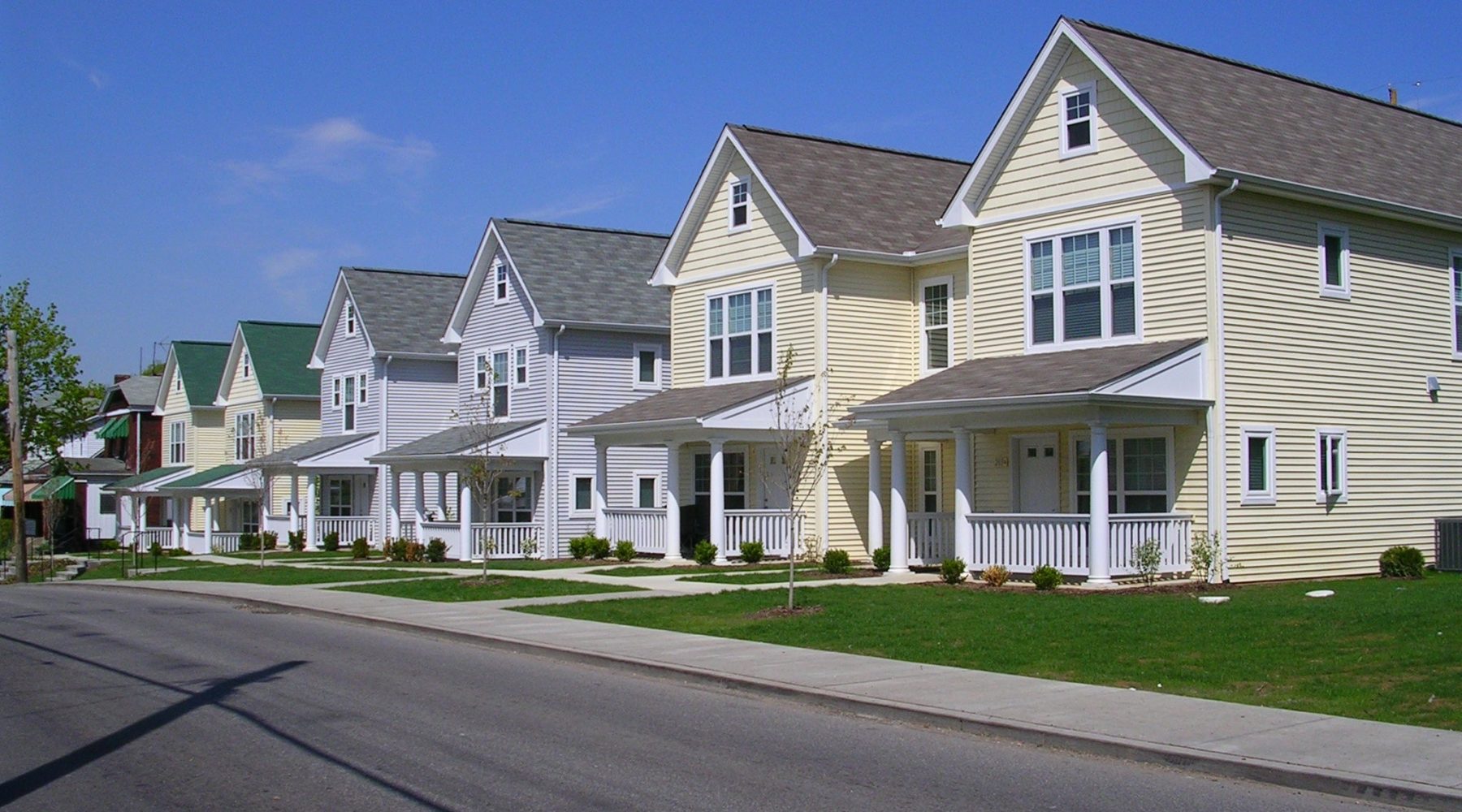 For buyers with a stable income, a down payment of at least ten percent, and a concrete plan to stay in the home for at least five years, this market is workable, even if it is not cheap or easy. The homes that meet real criteria at a realistic price are still moving. They are going to the people who did the homework before they started looking at listings.
 Real estate rewards preparation more than it rewards timing. Waiting for a better market is a reasonable position only if your personal situation supports it, otherwise you are just paying rent while prices hold. Start by browsing current homes for sale and market resources to build a realistic picture of your options.