latonyaberk922
About latonyaberk922
Prepare To Laugh: Waterfront Isn’t Harmless As you Would possibly Assume. Take a look at These Great Examples
There is a version of the housing market story that gets told over and over, and it goes like this: prices are high, rates are high, nothing is affordable, and the only people buying are the ones with cash. That version is not wrong, exactly. It is just incomplete.
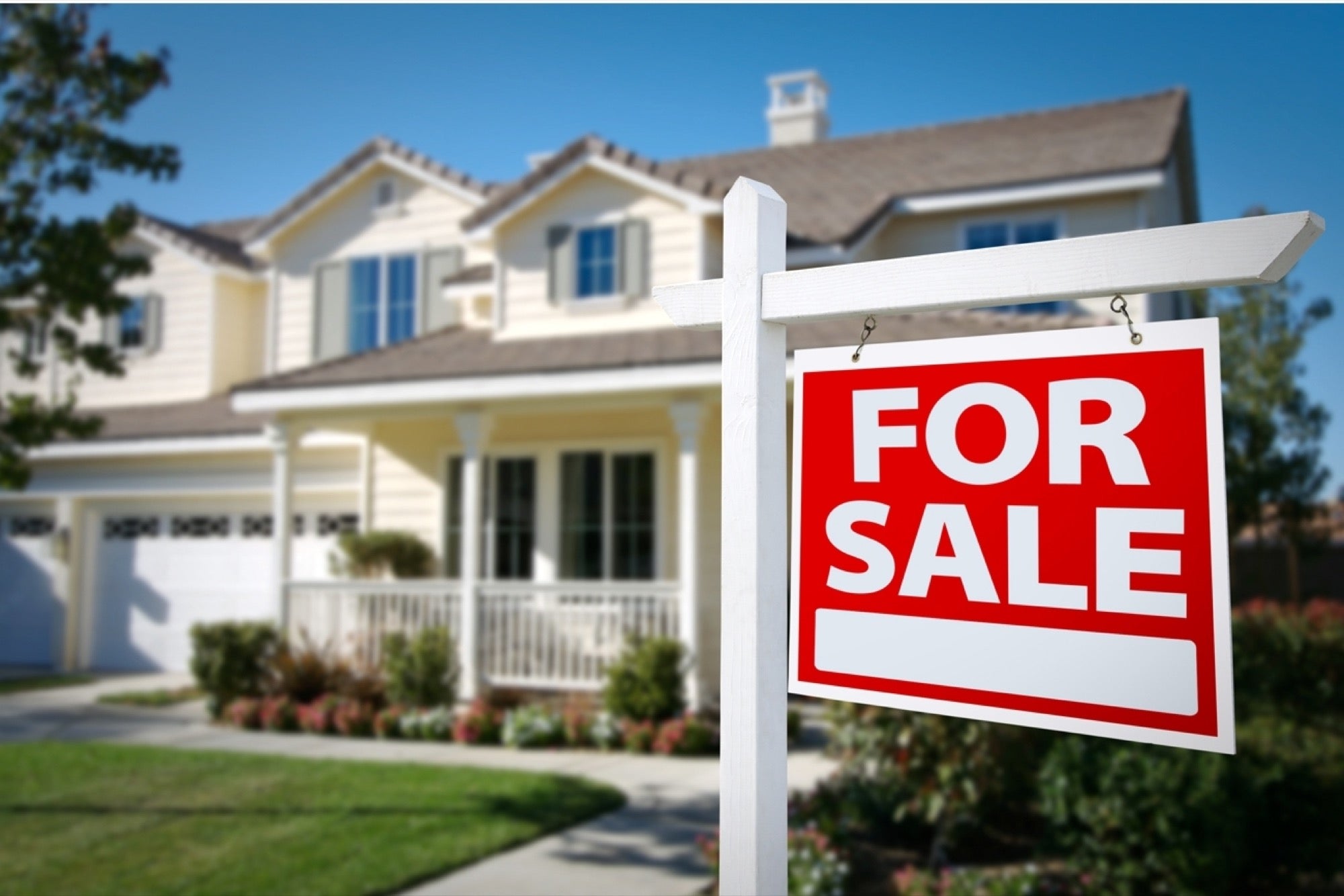 In markets where builders have added meaningful supply in recent years, prices have pulled back. Phoenix, Austin, and parts of Florida saw corrections of ten to fifteen percent from peak levels in some submarkets. But those are the exceptions. Most markets are not working from excess; they are working from scarcity.
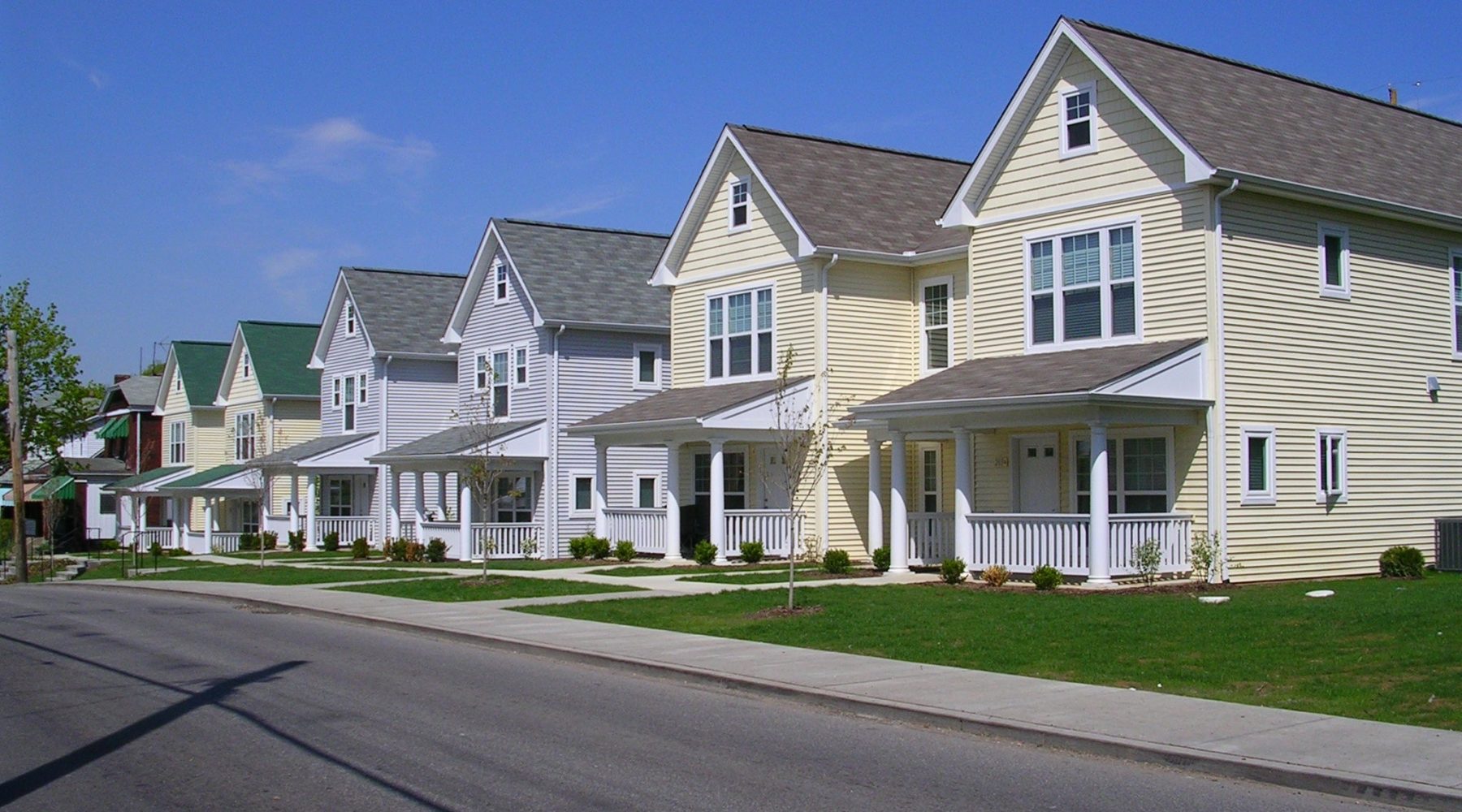 Nell is a name you might hear from a lot of agents right now, because the buyers getting deals done tend to have clear budgets and stick to them. That is not a personality trait. It is a preparation habit.
Shop more than one institution, because the spread in rates and costs is real. A seemingly small rate difference adds up to tens of thousands of dollars over the life of most home loans. Lender fees vary too. Ask each lender for a Loan Estimate document, which breaks down all costs in a standardized format.
If the report surfaces problems that go well beyond normal wear and tear, you have three options, not one, and walking away is a legitimate one of them. You can ask the seller to repair specific items before closing. What you should not do is panic and waive your right to negotiate.
Negotiation works best when it is quiet and well-prepared. Before you make an offer, find out how long the listing has been active. A listing with a history of two failed deals in the past month is a fundamentally different negotiation than a property that is drawing multiple showings every day.
The timing question, whether to buy now or wait for rates to come down, is the one that trips up more buyers than any other single factor. Waiting for the perfect moment is how people end up renting for another five years when they did not mean to. The more useful question is not whether now is the right time in the abstract; it is whether you are buying because the numbers make sense for you, not because you feel social pressure to own.
Real estate rewards preparation more than it rewards timing. Waiting for a better market is a reasonable position only if your personal situation supports it, otherwise you are just paying rent while prices hold. Start by browsing current homes for sale and market resources to build a realistic picture of your options.